
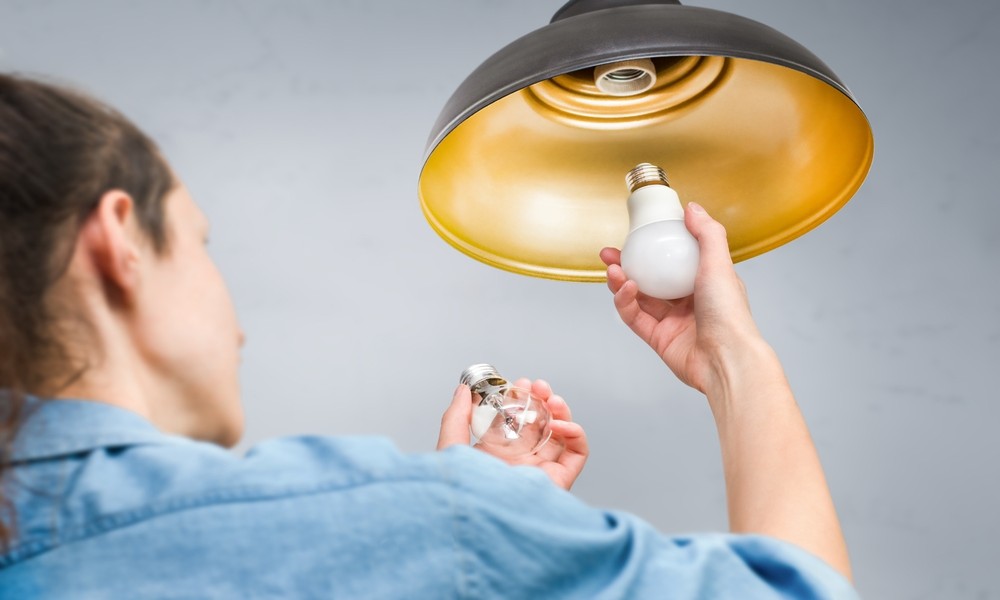
If you have ever walked into your kitchen, flipped the switch, and noticed your lights flickering like a scene from a scary movie, you are not alone. Many homeowners across Austin, Texas deal with flickering lights and assume it is just a bad bulb. Sometimes that is true-but often, flickering lights are a warning sign of a deeper electrical issue hiding behind your walls.
In a growing city like Austin, Texas, homes range from brand-new construction to older properties built decades ago. Each comes with its own electrical challenges. Older homes may have aging wiring, outdated panels, or loose neutral connections. Newer homes may experience overloaded circuits due to modern appliances, electric vehicle chargers, and increased power demands.
Understanding why your lights keep flickering can help protect your home, your appliances, and most importantly, your family’s safety. Working with a licensed electrician in Austin, TX ensures the issue is diagnosed correctly and repaired to current Texas electrical code standards.
Let’s look beyond simple bulb replacement and explore the real reasons your lights may be flickering.
1. Loose Wiring Connections
One of the most serious causes of flickering lights is loose wiring.
Electrical wiring naturally expands and contracts over time due to heat. In older homes throughout Austin, Texas, these repeated cycles can cause wire connections to loosen inside outlets, switches, junction boxes, or even inside the electrical panel.
Loose wiring creates intermittent electrical flow. That means your lights may dim, brighten, or flicker randomly. In some cases, you may also notice warm outlets, buzzing sounds, or a faint burning smell.
This is not something to ignore.
Loose electrical connections are a major fire hazard. According to safety professionals across Texas, faulty wiring is one of the leading causes of residential electrical fires.
If flickering lights happen regularly, especially in multiple rooms, calling a licensed electrician in Austin, TX should be a priority.
2. Overloaded Circuits
Modern life demands far more electricity than homes built 20 or 30 years ago were originally designed to handle.
Think about it-today’s homeowners in Texas often run:
- Large refrigerators
- HVAC systems
- Home office equipment
- Electric vehicle chargers
- Tankless water heaters
- Smart home devices
- Entertainment systems
When too many devices run on the same circuit, the circuit becomes overloaded. This can cause lights to flicker when larger appliances turn on, like your microwave, air conditioner, or washer and dryer.
For example, if your kitchen lights dim every time your microwave starts, that is usually a sign the circuit is under too much demand.
This issue is especially common in older Austin, Texas homes with outdated electrical panels that were never upgraded for modern living.
A professional electrician can perform load calculations and determine whether you need a dedicated circuit or a panel upgrade.
3. Faulty Light Switches
Sometimes the problem is surprisingly simple: the switch itself.
Light switches wear out over time. Inside the switch, metal contacts can become loose, worn, or damaged. This creates inconsistent power flow and causes flickering.
Signs of a bad switch include:
- Flickering when you touch the switch
- Crackling sounds
- Delayed response when turning lights on
- Warm switch plates
- Lights that only work in certain positions
In Texas homes with older builder-grade switches, this is a very common repair.
Although replacing a switch may seem easy, improper wiring can create shock hazards or code violations. That is why many homeowners still prefer hiring a licensed electrician in Austin, TX instead of guessing which wire goes where.
4. Bad Neutral Connections
Neutral wires are critical to your home’s electrical system, but they are often overlooked.
A loose or failing neutral connection can cause serious voltage fluctuations throughout your home. Instead of just one flickering light, you may notice:
- Lights getting unusually bright
- Lights dimming suddenly
- Appliances behaving strangely
- Electronics shutting off unexpectedly
- Multiple rooms affected at once
This is a major warning sign.
Bad neutrals can occur inside branch circuits, meter connections, or even where utility power enters your home. In some cases, the issue may involve coordination with the power company.
Because of the risk involved, this is never a DIY fix. Texas homeowners should contact a qualified electrician immediately if they suspect a neutral problem.
5. Aging Light Fixtures
Sometimes the fixture itself is simply worn out.
Older chandeliers, recessed lighting cans, ceiling fans, and vanity lights can develop loose internal connections, failing sockets, or damaged wiring insulation.
This is especially common in homes across Austin, Texas where original fixtures have been in place for 15 to 25 years or more.
You may notice:
- Flickering only on one fixture
- Bulbs burning out frequently
- Fixture buzzing sounds
- Visible discoloration around the socket
- Heat buildup around the fixture
Replacing the fixture may be the best solution, especially if the wiring inside has deteriorated.
A licensed electrician in Austin, TX can safely inspect whether the issue is the fixture, the wiring behind it, or both.
6. Electrical Panel Problems
Your panel is the heart of your home’s electrical system.
If the panel is outdated, overloaded, or has failing breakers, flickering lights may be one of the first symptoms.
Common panel-related warning signs include:
- Flickering throughout the house
- Breakers tripping often
- Burning smells near the panel
- Rust or corrosion
- Buzzing noises
- Warm breaker surfaces
Older Federal Pacific, Zinsco, or aging breaker panels found in some Texas homes are especially concerning.
If your panel is struggling to distribute power safely, replacing a light fixture will not solve the real problem.
A full panel inspection from a professional electrician is often the smartest next step.
Can a Handy Homeowner Fix Flickering Lights as a DIY Project?
This is one of the most common questions homeowners ask.
The honest answer is: sometimes yes-but often no.
Changing a light bulb, tightening a loose bulb, or replacing a simple lamp is generally safe for most homeowners.
However, once the issue involves:
- Wiring behind walls
- Electrical panels
- Neutral wires
- Circuit breakers
- New fixture installations
- Switch rewiring
- Dedicated circuits
…it should usually be left to professionals.
Texas has strict electrical code requirements for residential work, and mistakes can be dangerous, expensive, and even affect home insurance claims.
Even skilled handy people can run into hidden issues like aluminum wiring, improper grounding, overloaded circuits, or unsafe panel conditions.
That is why many homeowners choose a licensed electrician in Austin, TX for lighting repairs instead of turning it into a risky weekend project.
Professional electricians understand Texas code compliance, permit requirements when needed, and long-term safety-not just getting the light to turn back on.
When Flickering Lights Become an Emergency
Some flickering is minor.
Some is urgent.
You should call an electrician immediately if flickering lights happen along with:
- Burning smells
- Sparks
- Warm outlets or switches
- Buzzing from walls
- Partial power loss
- Frequent breaker trips
- Lights getting brighter unexpectedly
- Multiple appliances failing
These symptoms may indicate serious wiring problems or panel failure.
In Texas heat, where HVAC systems already push electrical systems hard, waiting too long can turn a small repair into a major emergency.
Protecting Your Austin, Texas Home Starts with Proper Electrical Repairs
Flickering lights are often your home’s first warning sign that something is wrong.
Sometimes it is a simple fix.
Sometimes it points to loose wiring, overloaded circuits, failing neutrals, or dangerous panel issues that need immediate attention.
Ignoring the problem rarely makes it better.
Homeowners in Austin, Texas should treat recurring flickering seriously and have the system inspected before a small issue becomes expensive-or unsafe.
Working with a trusted licensed electrician in Austin, TX helps ensure the repair is done safely, correctly, and to Texas code standards.
Your lights should provide comfort-not warning signs.
If your home keeps flickering, it may be time to stop replacing bulbs and start finding the real cause.