
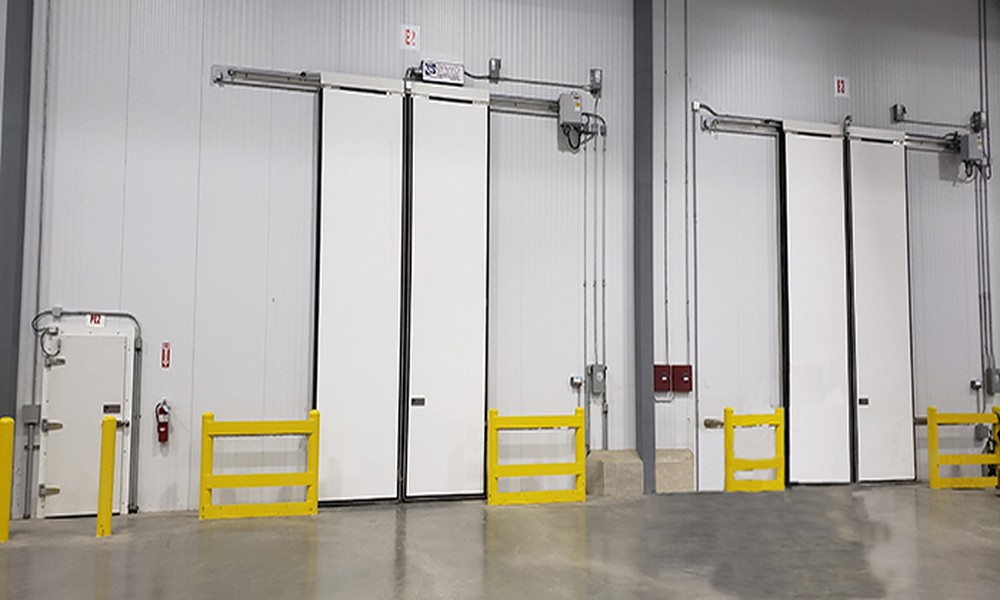
A gust of cold air slipping through a warehouse doorway is more than an annoyance; it’s a direct hit to the bottom line. For storage facilities, where climate control and operational efficiency are prized, the choice of door system shapes both the energy footprint and the quality of the stored goods.
How Flexible Fabric Doors Revolutionize Energy Efficiency in Storage Facilities
Rethinking the basic building block of facility access has led the industry to flexible fabric doors. Instead of heavy, slow-moving rigid panels, these doors use high-strength, insulated fabrics that roll or fold away in seconds. Their appeal goes well beyond speed, influencing everything from temperature stability to workplace safety.
What Are Flexible Fabric Doors?
Flexible fabric doors are engineered panels made from robust textiles, reinforced with high-performance materials and advanced sealing technology. These doors are built to be impact-resistant and lightweight, opening and closing at speeds traditional doors simply cannot match.
Comparison with Traditional Door Systems
Traditional steel or wooden doors were designed for durability but not for frequent cycling or airtightness. Each time a rigid door inches open or closed, climate-controlled air leaks out, and unfiltered air invades, spiking heating and cooling demands. By contrast, flexible doors minimize open time and create a better seal.
| Feature | Traditional Doors | Flexible Fabric Doors |
|———————–|——————|———————-|
| Opening Speed | Slow (seconds to minutes) | High speed (less than 2 seconds) |
| Air Tightness | Moderate | Excellent |
| Impact Resistance | Often poor | High (self-repairing options) |
| Maintenance Needs | High (mechanical parts) | Low (fewer moving parts) |
| Energy Loss | Significant | Minimal |
Key Features Enhancing Energy Performance
Fast operation is only the start. Modern flexible doors come equipped with insulation layers, advanced edge sealing, and self-repair mechanisms that snap the door back onto its track after an impact. Many models, like those offered by portes rapides d’entrepôt Dor Docteur, integrate these features to deliver real-world efficiency gains for busy storage environments.
Thermal Performance and Environmental Control
Climate control in storage goes beyond mere comfort. Precise temperature and humidity regulation are critical for the safety of pharmaceuticals, foods, electronics, and more.
Insulation Properties of Flexible Fabric Materials
The latest flexible doors incorporate multi-layer fabric systems with thermal breaks. These materials slow the transfer of heat, acting as a barrier against both winter chills and summer heatwaves.
Air Tightness and Its Role in Temperature Regulation
Where traditional doors often leave gaps and leakages, flexible models incorporate perimeter seals that hug the door frame, locking out drafts and moisture. This tight seal is essential for maintaining temperature setpoints without overburdening HVAC systems.
Minimizing Heat Loss and Gain in Various Climates
Whether the facility is in icy Montreal or humid Miami, every second the door is open wastes energy. High-speed cycles (often as quick as one to two seconds) dramatically limit this loss. In cold storage, for example, high-speed fabric doors can cut thermal energy loss by more than 30 percent compared to standard doors.
Impact on Humidity and Contaminant Control
The benefits extend to air quality. With sealed, rapid closures, the risk of dust, airborne contaminants, and excess humidity entering the storage area plummets. This protects sensitive products and supports compliance with industry regulations.
Operational Efficiency and Energy Savings
Energy efficiency is not just about insulation; it’s about the way a door supports the everyday rhythm of a facility.
Rapid Opening and Closing Mechanisms Reducing Energy Waste
Doors that open and close in seconds keep internal temperatures steady and workflow smooth. Fewer pauses mean less energy loss and improved logistics, especially in high-traffic zones.
Durability and Resistance to Environmental Stressors
Flexible fabric doors are designed to withstand repeated impacts from forklifts and carts. Some models feature self-reinserting edges, minimizing downtime and repair costs, which further reduces indirect energy loss associated with halted operations.
Maintenance Requirements and Their Influence on Energy Efficiency
With fewer mechanical components and self-healing surfaces, these doors demand less maintenance, translating to less disruption and more predictable climate control.
Case Studies: Energy Savings in Different Industrial Sectors
Cold storage, manufacturing, and logistics hubs have reported energy savings of up to 25 percent after upgrading to flexible fabric doors. For facilities handling perishables or sensitive electronics, tighter environmental control has translated to less spoilage and reduced waste.
Integration with Facility Design and Sustainability Goals
Energy-efficient doors are no longer an afterthought; they are an integral part of green building strategies.
Customization for Diverse Storage Facility Needs
From wide industrial portals to compact loading docks, flexible fabric doors can be tailored in size, insulation value, and automation level. This customization ensures each storage facility gets the right solution for its operational reality.
Compatibility with Automated Systems and Smart Controls
Many modern doors support remote operation, integration with building management systems, and smart sensors that adapt cycles to real-time traffic. This synergy boosts both security and energy management.
Contribution to LEED Certification and Green Building Standards
Energy savings, reduced air leakage, and support for smart operations make flexible fabric doors a valuable asset for facilities aiming for LEED points or other sustainability certifications.
Future Trends in Flexible Door Technologies and Energy Management
As IoT and AI-driven facility management become mainstream, flexible doors are evolving with embedded sensors and predictive maintenance features. The next generation promises even tighter energy control and seamless integration with broader facility automation.
In storage environments where every degree, dollar, and detail matters, the evolution of doors from a basic barrier to a high-tech energy-saving tool might just be the smartest move a facility can make.