
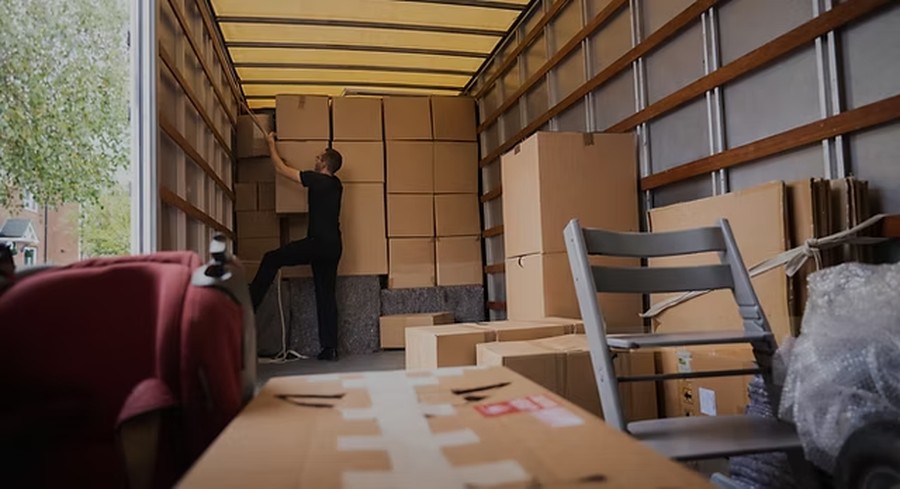
Moving becomes easier when all important documents have one safe place. To achieve that, you will need to create a moving binder. Moving binders don’t just keep dates and forms close. They also keep contacts and receipts together.
According to McMoving experts, a stress-free move starts with organizing papers before packing even starts. This advice is important since missing one document may affect services, keys, or payments. But a binder provides you with a very simple system that you can travel with.
Why a Moving Binder Helps
Moving binders are more than folders with papers inside. They work like small control centers for your new home, move, and budget. If you set them up well, you can save time and avoid stress.
In addition, it helps other individuals help you. A family member, partner, or roommate may check your binder for instructions and schedules. This means fewer repeated questions on the day of your move.
Organizing Documents for Easy Access
Here is how you can organize documents for easy access:
- Choose the Right Binder
Choose a binder with a zipper. This is important, especially if you will be carrying it in your car. Use a plastic sleeve for papers that you can’t quickly replace. In this, you can put school records, leases, insurance, and IDs. You can also add a pouch for business cards, keys, labels, and stamps.
Avoid choosing a very thin binder. Moving documents often grow fast once checklists, quotes, utility notes, and receipts pile up. Two-inch binders are a perfect option. They can give you enough space to keep all your documents.
- Track the Real Budget
A good budget must include more than movers or a truck. Include quick meals, boxes, fuel, tips, tape, and hotel stays in it. These small expenses can cause some inconveniences if they are not factored in.
Use one page for receipts and another page for all planned expenses. Keep receipts inside after getting them. This simple habit will help with payment disputes, refunds, tax records, and reimbursements.
- Prepare for the New Home
Your binder must still help you after the moving truck leaves. Consider creating a home setup tab with Wi-Fi details, room measurements, and furniture plans. Include pictures of meter numbers, cable ports, fuse boxes, and water shutoff valves.
In addition, add a first-week checklist. This shouldn’t just include mail forwarding and internet setup. It should also include pharmacy details, grocery options, and school registration. Basically, this will come in handy when you feel tired and are surrounded by many boxes.
- Protect Personal Records
Avoid loading some documents in a moving truck. Always keep legal forms, passports, medical records, and Social Security cards close. This can be in a very secure sleeve. And if possible, carry this binder with you always.
For daily needs, use copies because dealing with originals can be very risky. Have a digital backup too, in a protected cloud folder. If possible, clearly name every file so that you can find it quickly.
To sum up, creating a good moving binder is helpful. It turns messy moves into clearer processes. With one, you won’t just keep details in place. You will also protect important documents.