
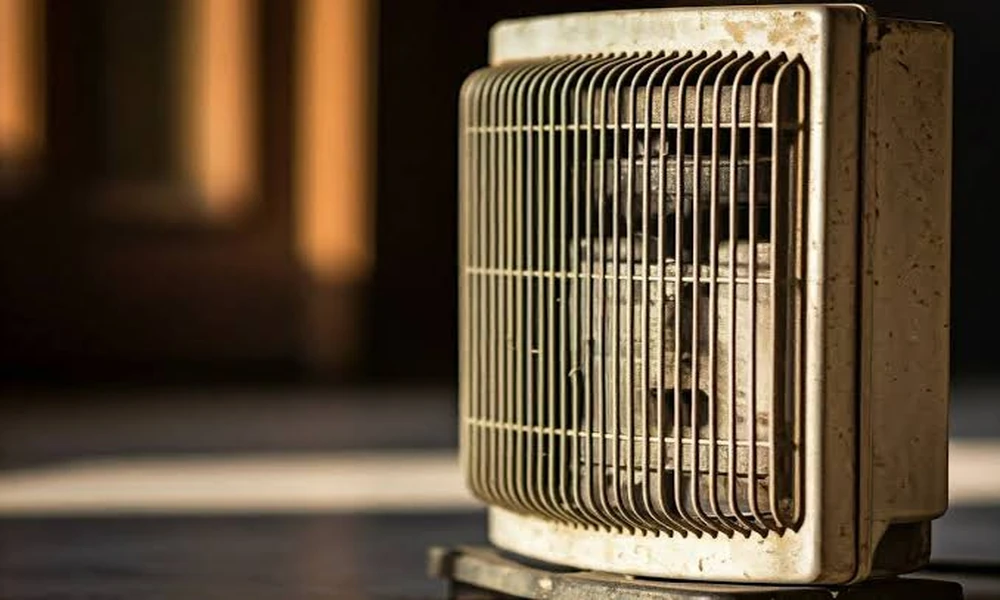
Plenty of houses around the Kitsap Peninsula still run on the heating plan they were born with. A narrow metal box under each window, a dial on the wall that ticks as it warms, and that faint smell of scorched dust on the first cold night of October. Electric resistance heat made sense when these homes went up in the 1970s and 1980s, because hydropower in the Northwest was cheap and a heater in every room cost the builder almost nothing. Decades later the same rooms feel uneven, winter bills keep creeping up, and summers have stopped being mild enough to shrug off.
Homeowners trying to figure out what comes next usually want someone to look at the whole house before talking about equipment. That is the approach taken by PJ’s Home Services, a family run outfit based in Olalla that has been working on homes across Kitsap, Mason, Jefferson and Pierce counties since 2007, with BPI certified technicians doing the building science side and Mitsubishi Diamond Contractor status on the ductless side.
Walk the House Like a Draft Would
Before calling anyone, walk through the house on a cold evening and notice how each room actually feels, not what the thermostat says. Older zonal heat hides its weaknesses room by room, so the switch to a heat pump tends to work best when it is planned the same way.
The living room where everyone ends up
This is usually the largest open space and the hardest working heater in the house. Resistance units here cycle on and off constantly, warm air pools near the ceiling, and the big window wall stays cold to the touch. It is also the natural home for the first indoor ductless head. A single well sized wall unit can carry the main living area on its own, and in many Kitsap ramblers that one change accounts for most of the savings.
The kitchen and dining corner
An open kitchen rarely needs its own equipment, since cooking adds heat and air from the living room head drifts in. Closed galley kitchens sometimes keep a small baseboard for the coldest mornings.
Bedrooms down the hall
Here is where people get surprised. Bedroom doors stay closed at night, so warm air from the living room head never reaches them. You have three honest options. Keep the existing wall heaters as backup, add small heads to each bedroom on a multi zone system, or accept slightly cooler sleeping rooms, which many families prefer anyway. Researchers in Washington studied this exact hybrid arrangement, with a ductless unit in the common area and resistance heat left in the bedrooms, and found it a sensible middle path for all electric homes.
The bathroom
A mini split head is overkill in a small bathroom, so most installers leave the existing fan heater alone or suggest radiant floor heat during a future remodel.
The daylight basement or bonus room
Sloped lots on the peninsula produce a lot of split levels and walkout basements. These lower rooms stay cool and often feel damp. A separate zone down here does double duty, adding dry heat in winter and pulling moisture out of the air when it runs in cooling mode through summer.
Why a Heat Pump Gets More From Each Kilowatt
A baseboard heater turns one unit of electricity into one unit of heat. That sounds efficient, yet it is the costliest way to heat with electricity. A heat pump does not create heat. It moves heat that already exists in the outdoor air and concentrates it indoors, which lets it deliver two to three times as much warmth for the same power in a mild marine winter.
Puget Sound weather happens to suit this technology very well. Winters are long and damp but rarely sit far below freezing, so the equipment spends most of the season in its most efficient range. The region figured this out early. A long running market program run by the Northwest Energy Efficiency Alliance helped move ductless systems from a niche product to standard practice, and by 2021 nearly every HVAC installer in the Northwest reported putting them in.
Summer Quietly Rewrote the Argument
Then came late June 2021, when Sea-Tac hit 108 degrees and thousands of homes without air conditioning turned into ovens. Smoky wildfire summers added another problem, since opening windows at night stopped being a safe way to cool off.
A ductless system answers both. The same unit that heats in January cools in August, and the indoor head filters the air it circulates. Those filters are basic, so households sensitive to smoke often pair the system with a dedicated air cleaner. Still, going from no cooling at all to a sealed, conditioned living room changes how a hot week feels.
Questions Worth Hearing Before Any Quote
If an estimate visit skips these, ask them yourself.
- How leaky is the house? Sealing attic bypasses and adding insulation first can shrink the system you need and the price you pay.
- Can the electrical panel handle it? Each outdoor unit needs a dedicated 240 volt circuit, though removing old heaters sometimes frees up capacity.
- Where will the outdoor unit sit? It should stand on a raised pad or bracket above standing water and snow, away from bedroom windows, with room for defrost meltwater to drain.
- How will the line set travel? Refrigerant lines usually pass through one exterior wall, and a tidy cover makes a real difference to how the house looks.
- How does the model handle a hard freeze? Arctic air occasionally pushes into the Sound, and low temperature ratings vary widely between product lines.
- What happens to the old heaters? Leaving them in place as backup is common, but their thermostats need to be set several degrees lower so they do not compete with the heat pump.
Living With It Once the Wall Heaters Go Silent
The first winter takes some adjusting. Heat pumps prefer a steady setting rather than the deep overnight setbacks people learned with baseboards, because recovering from a cold house forces them to work harder than simply holding a temperature. Most owners find the comfort steadier, with fewer cold corners.
Upkeep is light but real. Indoor filters slide out for a rinse every month or so, and the outdoor unit needs a clear space around it, which matters in yards full of dropping fir needles and maple leaves. An annual service visit catches refrigerant issues and drain line clogs before they become midwinter problems. Rural homes also need a plan for outages, since a heat pump stops when the power does. That is one reason so many houses around Olalla and Port Orchard keep their woodstoves in working order.
Retiring old heat does not have to happen in one weekend. Plenty of households start with the living room, live with it through a full year of rain, heat and smoke, and then decide which bedrooms or lower levels deserve the next head. Treating the house as a set of rooms rather than one big number on a thermostat is how the switch ends up feeling right in every corner.