One of the most common issues for wood materials is fungal growth due to moisture and humidity for a long period of time. Once wood has absorbed water, it creates an excellent environment for the development of fungi and molds. This can cause weakening of the material’s structure, both cosmetically and structurally, and will significantly affect the longevity of the material. Waterproof plywood eliminates this risk of fungal growth by preventing moisture from entering the plywood while providing sufficient strength of the panel to withstand humid environments.
Limited Absorption of Moisture
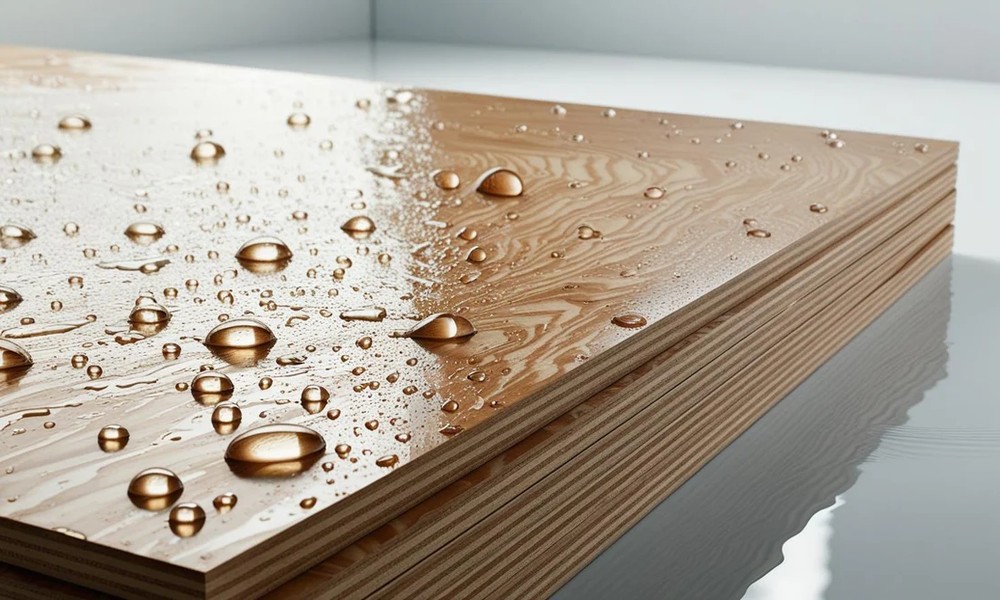
Waterproof plywood has a unique ability to limit moisture absorption, which is one of the major reasons that waterproof plywood has a reduced risk of fungal growth. Waterproof plywood has a combination of special adhesive products along with multiple layers of thin wood veneers that have been bonded using high pressure to create a protective barrier that prevents moisture from penetrating the inner layers of the plywood easily.
As mentioned before, without moisture to grow, fungi will not be able to flourish. Thus, by restricting the penetration of moisture into the plywood, the potential for future fungal growth is greatly reduced. As a result, waterproof plywood is ideal for use in environments where humidity is consistently present.
Strong Bonding Between Layers
Another aspect of the bonding process of waterproof plywood that creates resistance to damage from fungi is the strength of the bonds between the layers. The veneers are cross-laminated and adhere together with high-quality adhesion systems that fully encapsulate each layer, leaving no gaps for moisture to collect.
When the moisture is not capable of reaching the internal layers of plywood, the chances of developing an environment suitable for the growth of fungus are significantly reduced.
Humid Environment Protection
Waterproof plywood is very effective in environments that frequently have high humidity levels and have occasional exposure to moisture. Many areas in the home, such as kitchens, bathrooms, utility rooms, balconies, etc., tend to be very wet and are highly conducive to fungi growth when compared to normal softwoods.
Because of the waterproof characteristics of waterproof plywood, it will help support the structural integrity of furniture, cabinets, and wall-panel assemblies in these environments.
Long-Term Structural Stability
Another advantage of waterproof plywood is the ability to provide long-term strength. Since waterproof plywood prohibits moisture from penetrating between the layers of material, there is a reduced risk of future fungal deterioration occurring due to a change in structure due to moisture damage. Therefore, waterproof plywood can help to ensure the continued strength and reliability of furniture and structures in the interior of buildings over time.
Using the latest bonding technology when manufacturing waterproof plywood allows for improved resistance to moisture and other environmental stresses. Premium products developed with advanced bonding systems, such as those manufactured by Royale Touche, further enhance durability and long-term performance.
Conclusion
Waterproof plywood is a viable solution to providing protection from fungal growth to wood structures. The moisture-resistant properties of waterproof plywood, the integrity of the bonding systems, and the overall stability of the construction of waterproof plywood will help ensure that conditions will not exist to support fungal growth. When using waterproof plywood for furniture and other interior applications, builders and designers can have peace of mind that the final projects will provide long-lasting durability and greater protection against moisture-related damage.