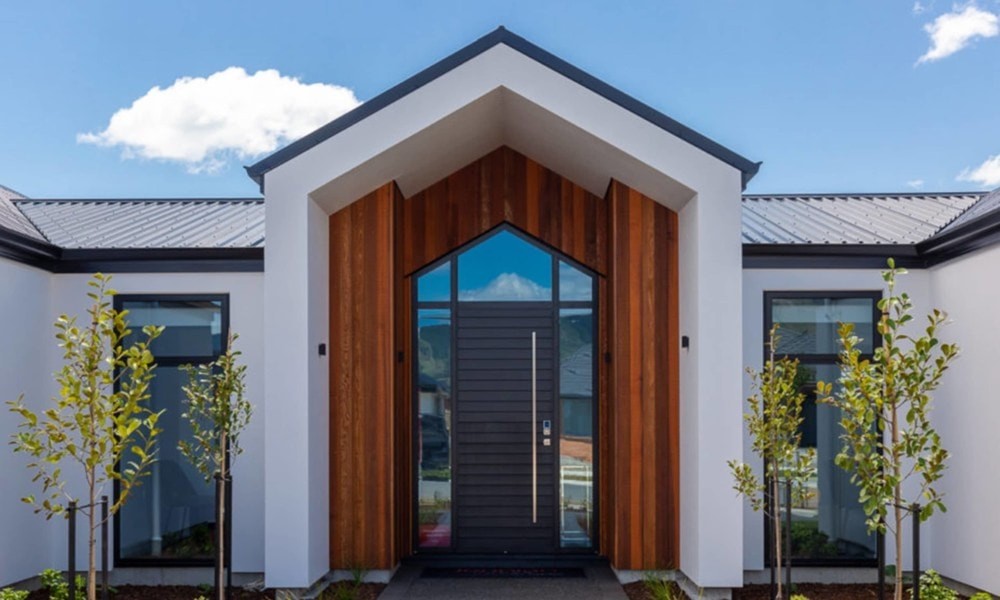
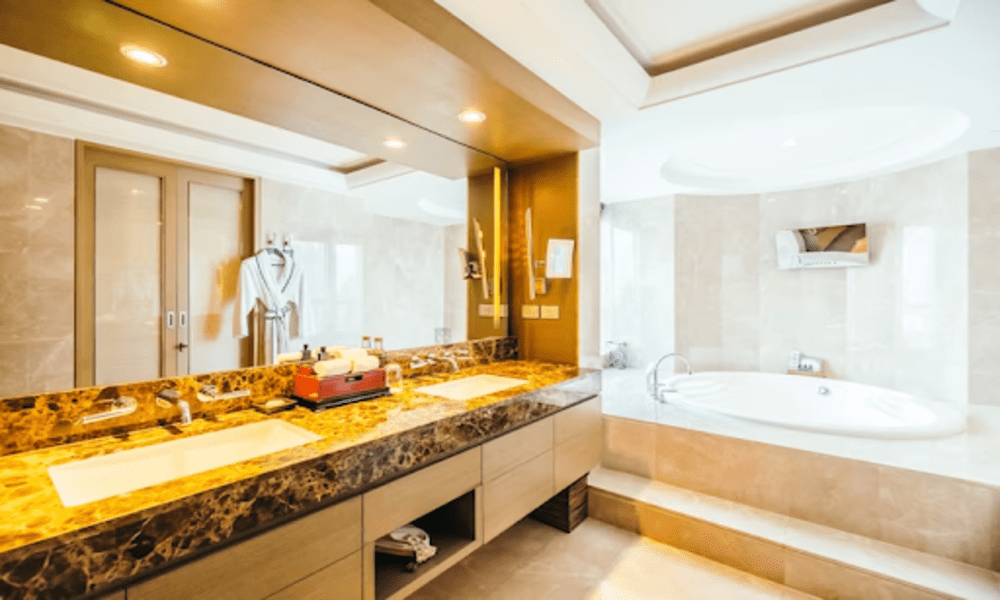
Property maintenance services are what stand between a building and the slow, cumulative processes that eventually render it unsafe, unliveable, or economically unviable. That may sound dramatic, but the evidence supports it. In Singapore, where more than eighty percent of the resident population lives in high-rise housing and where the tropical climate exerts constant physical and biological pressure on built structures, the consequences of inadequate maintenance are not theoretical. They appear in the form of collapsed false ceilings, flooded apartments, spalled concrete falling from external facades, and lift systems that fail without warning. Behind almost every one of those incidents, investigators find the same underlying condition: maintenance that was deferred, reduced, or never properly planned in the first place.
The Logic of Preventive Care
There is a tendency to think of building maintenance as something that happens after problems emerge. A leak appears, and someone is called to fix it. A crack opens in the wall, and a contractor is engaged to patch it. This reactive model feels economical in the short term, but it systematically underestimates the cost of delay.
Preventive property maintenance operates on a different premise. It assumes that every building component has a predictable service life, that the conditions which cause failure are generally identifiable before failure occurs, and that the cost of early intervention is almost always lower than the cost of repair after the fact. This is not a philosophical position. It is an engineering one, supported by decades of data from building performance studies and insurance claims across the construction industry.
In Singapore’s context, the argument for preventive care is even more compelling. The combination of heat, humidity, UV radiation, biological growth, and in coastal zones, airborne chlorides, accelerates the deterioration of concrete, sealants, waterproofing membranes, and mechanical systems at rates that would surprise building owners accustomed to temperate climates. A waterproofing membrane that might perform adequately for fifteen years in a cooler, drier environment may require assessment and reapplication within ten years here.
Key Areas That Preventive Maintenance Must Address
A credible property maintenance services programme does not address all building components with equal urgency. It is risk-ranked, with the highest attention directed toward systems and surfaces whose failure carries the greatest consequence.
Facade and Structural Elements
The external envelope of a building faces the most direct environmental exposure. Concrete carbonation, sealant joint degradation, and the early stages of spalling are all detectable before they become structurally significant, but only if inspections are conducted on a regular cycle. For Singapore’s older building stock, many constructed during periods when concrete cover depths and mix standards were less rigorously enforced, proactive facade inspection is particularly important. BCA guidelines and the Building Control Act establish statutory inspection requirements for certain building categories, but responsible maintenance programmes typically exceed the minimum.
Waterproofing Systems
Roof decks, planter boxes, bathroom and kitchen wet areas, and basement retaining walls are the frontline of water defence in any building. Waterproofing membranes are not permanent. They degrade under UV exposure, thermal cycling, and physical movement in the underlying structure. Preventive property maintenance in this area means scheduled condition assessments, targeted reapplication before full membrane failure, and the correction of detail failures at penetrations, upstands, and joints where leaks most commonly originate.
Mechanical, Electrical, and Plumbing Systems
Air-conditioning plant, water pumps, fire suppression systems, electrical distribution boards, and drainage networks all carry failure modes that preventive servicing can substantially delay or prevent. In Singapore’s strata-titled developments, these systems are frequently shared across multiple units, meaning a failure in one element can affect many occupants simultaneously. Scheduled servicing contracts, with documented inspection records and clear escalation procedures, are the standard of care that responsible building managers apply to shared building services.
Drainage Infrastructure
Blocked or degraded drainage is one of the most consistently underestimated sources of building damage. Roof outlets, floor traps, external gullies, and concealed underground drainage lines accumulate debris, root intrusion, and mineral scale over time. In Singapore, where intense rainfall events can deliver large volumes of water in a short period, a partially blocked drainage system that functions adequately under normal conditions can fail catastrophically during a storm. Periodic inspection, including CCTV survey of concealed lines where age or performance warrants it, is a cost-effective component of any preventive maintenance programme.
Documentation and Compliance
One of the aspects of property maintenance services that receives less attention than it deserves is documentation. A maintenance programme that is executed but not recorded provides limited value when a building changes hands, when an insurance claim is assessed, or when a regulatory body requires evidence that statutory obligations have been met. In Singapore, the Building Maintenance and Strata Management Act places specific obligations on management corporations in strata-titled developments, including requirements around maintenance funds and the keeping of maintenance records.
Good documentation also protects building owners and managers. When a defect arises and the question of responsibility is examined, a complete maintenance record establishes what was inspected, what was found, and what action was taken. Without that record, even a diligent building manager is at a disadvantage.
What Preventive Maintenance Ultimately Protects
Buildings do not deteriorate evenly or predictably in the absence of maintenance. They deteriorate in sequences, where one failure creates the conditions for the next. A failed sealant joint allows water ingress. That water reaches reinforcing steel and initiates corrosion. The corrosion expands, fracturing the concrete cover. The exposed steel corrodes further. What began as a routine sealant replacement becomes a structural repair programme.
property maintenance services, applied preventively and consistently, interrupt those sequences before they compound. In Singapore’s demanding climate, where the forces acting on buildings are significant and persistent, that interruption is not optional. It is what building longevity actually depends on.