
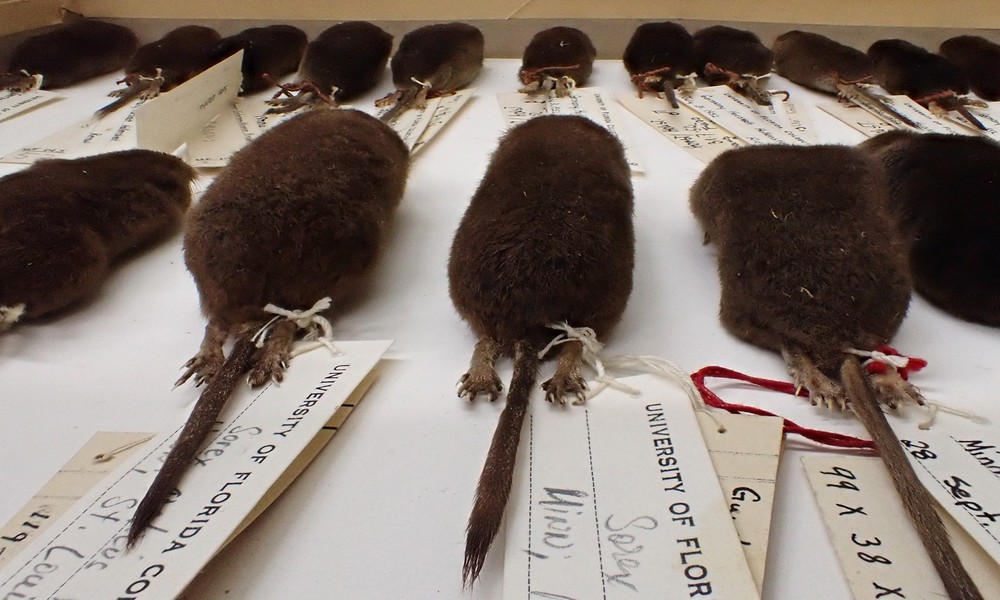
A homeowner in Hannibal, MO who discovers signs of a rodent problem may want to grab a trap and deal with it immediately. While this instinct is understandable, choosing the right trap depends on the type of rodent involved. Placement, bait selection, and sealing entry points all vary based on the species. Treating a rat problem like a mouse problem can lead to ineffective results.
These two rodents may share the same environment, but they behave very differently. Their habits, size, and nesting preferences require distinct approaches. That is why professionals like Reliable Pest Solutions handle each situation based on accurate identification.
Size and Physical Appearance
House mice are small and compact. Their body length is around 3 to 4 inches, with a tail of similar length. They typically weigh between half an ounce and one ounce.
They have large ears, pointed snouts, and small black eyes. Their color ranges from light brown to gray with a lighter underside.
Rats found in Hannibal, MO are significantly larger. Their bodies measure around 7 to 10 inches, with thick tails that are usually shorter than their body length. They weigh between 7 and 18 ounces.
They have blunt snouts, smaller ears, and a heavier build.
Droppings also help identify the species:
Mouse droppings are small, similar to grains of rice
Rat droppings are larger, similar to raisins with blunt ends
Where They Live in Your Hannibal, MO Home
Understanding nesting habits is key to effective control.
House mice are highly adaptable and can nest in many indoor locations such as:
Wall voids and insulation
Behind kitchen appliances
Cabinets and pantry areas
Garage storage spaces
They usually stay within a small range, often within 10 to 30 feet of their nest.
Rats prefer lower areas and are more likely to nest:
Under concrete slabs
Inside crawl spaces
Along foundation walls
In basements and utility areas
How They Get Inside
House mice can squeeze through extremely small openings, as little as a quarter inch.
Common entry points include:
Gaps around pipes and utility lines
Worn door sweeps and weatherstripping
Small cracks in the foundation
Rats require slightly larger openings, about half an inch, but they can chew to expand gaps.
Typical entry points include:
Openings near sewer lines and drain pipes
Gaps under garage doors
Foundation vents and lower wall gaps
Behavior and What It Tells You
House mice are curious and will quickly investigate new objects. This makes traps effective when placed along active paths.
Rats are more cautious. They tend to avoid new objects at first and may take several days before approaching traps.
Final Thoughts
Rodent problems in Hannibal, MO require proper identification to ensure effective control. Mice and rats behave differently, and using the wrong approach can delay results.
With expert help from Reliable Pest Solutions, homeowners can identify the species correctly, apply targeted treatments, and prevent future infestations effectively.