
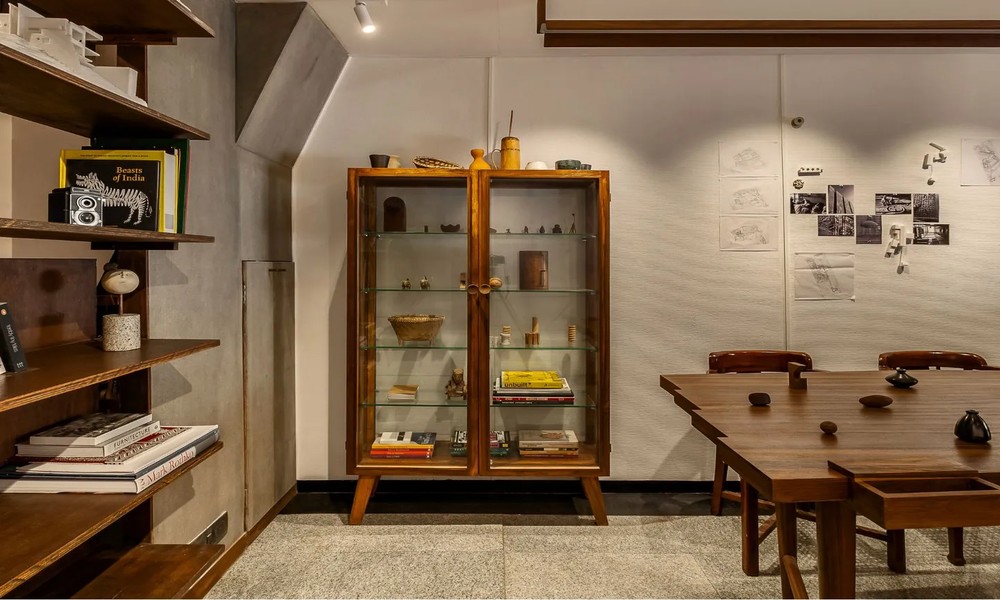
Designing a living room is always a bit of a balancing act.
On normal days, it needs to feel relaxed, practical, and easy to use. But when guests come over, it should also feel presentable, welcoming, and put together.
In Johor Bahru, where many homes are compact condos, terrace houses, or tightly planned landed units, this balance becomes even more important. Every square metre has to work harder, and every furniture choice matters more.
So how do you design a living room that works for both everyday life and hosting guests?
Here’s a practical, conversational breakdown.
1. Start with a layout that supports movement first.
Before thinking about décor or furniture style, start with how people will actually move through the space.
A good dual-purpose living design room should:
- Allow easy walking paths
- Avoid blocking entrances or natural flow
- Keep seating areas accessible without feeling cramped
On regular days, you want to move freely without bumping into furniture. On guest days, you want people to circulate comfortably without feeling squeezed.
In many homes in Johor Bahru, the biggest issue isn’t lack of space-it’s poor layout planning that makes the room feel smaller than it really is.
2. Choose flexible seating instead of bulky sets.
A common mistake is buying a large, fixed sofa set that dominates the room.
It might look impressive, but it often reduces flexibility.
A better approach is:
- A medium-sized sofa paired with movable chairs
- Lightweight stools that can be added when needed
- Modular seating that can be rearranged
This way, your living room can shift depending on the situation.
On normal days, it feels open and comfortable. When guests arrive, you can quickly expand seating without overcrowding the space.
3. Keep surfaces clear with smart storage.
Daily living naturally creates clutter:
- Remotes
- Chargers
- Toys
- Bags
- Everyday items
If there’s no proper storage, the living room quickly feels messy-especially when guests arrive unexpectedly.
That’s why storage should be built into the design:
- TV consoles with hidden compartments
- Coffee tables with storage inside
- Wall cabinets that don’t overwhelm the room
In many homes across Johor Bahru, good storage is what keeps a space “guest-ready” without needing constant cleaning.
4. Use lighting that can shift the mood easily.
Lighting plays a huge role in how a living room feels.
For daily use, you might want:
- Bright, functional lighting
- Clear visibility for tasks or activities
For hosting guests, you want:
- Softer, warmer lighting
- A more relaxed, inviting atmosphere
The easiest way to achieve both is through layered lighting:
- Ceiling lights for general brightness
- Floor or table lamps for warmth
- Accent lighting for ambience
This allows your living room to change mood instantly depending on the occasion.
5. Design a focal point that anchors the room.
A living room feels more organised when there is a clear visual centre.
This could be:
- A TV feature wall
- A statement sofa arrangement
- A large window with natural light
Without a focal point, furniture tends to feel scattered, which can make the space look messy-especially when guests are over.
A clear focal point helps the room feel intentional and grounded, even with everyday use.
6. Keep décor simple but intentional.
It’s tempting to decorate heavily when preparing for guests, but too much décor can actually make a space feel cluttered.
Instead, focus on:
- A few well-chosen wall pieces
- Subtle decorative accents
- Natural elements like plants
In homes across Johor Bahru, the most effective living rooms usually aren’t the most decorated-they’re the most balanced.
A clean, intentional look works for both daily living and hosting without constant rearranging.
7. Create “quick reset” habits through design.
One of the smartest tricks is designing your space so it can be reset quickly.
This includes:
- Storage that is easy to access
- Surfaces that are easy to clear
- Furniture that doesn’t require heavy rearranging
The goal is simple: within 5-10 minutes, the living room should be ready for guests.
When your design supports this kind of quick reset, hosting becomes less stressful and more spontaneous.
8. Balance comfort with presentation.
Daily living requires comfort. Hosting requires presentation.
The key is not choosing one over the other-but blending both.
For example:
- A comfortable sofa with clean lines
- Durable fabrics that still look good
- Furniture that is practical but visually light
In many homes in Johor Bahru, this balance is what separates a living room that “looks nice” from one that actually works every day.
Final Thoughts
Designing a living room that works for both daily life and guests isn’t about making it perfect. It’s about making it adaptable.
When you focus on:
you end up with a space that can shift easily between relaxed family living and social hosting.
And in the end, that’s what makes a living room in Johor Bahru truly functional-not how it looks in photos, but how well it works in real life.