
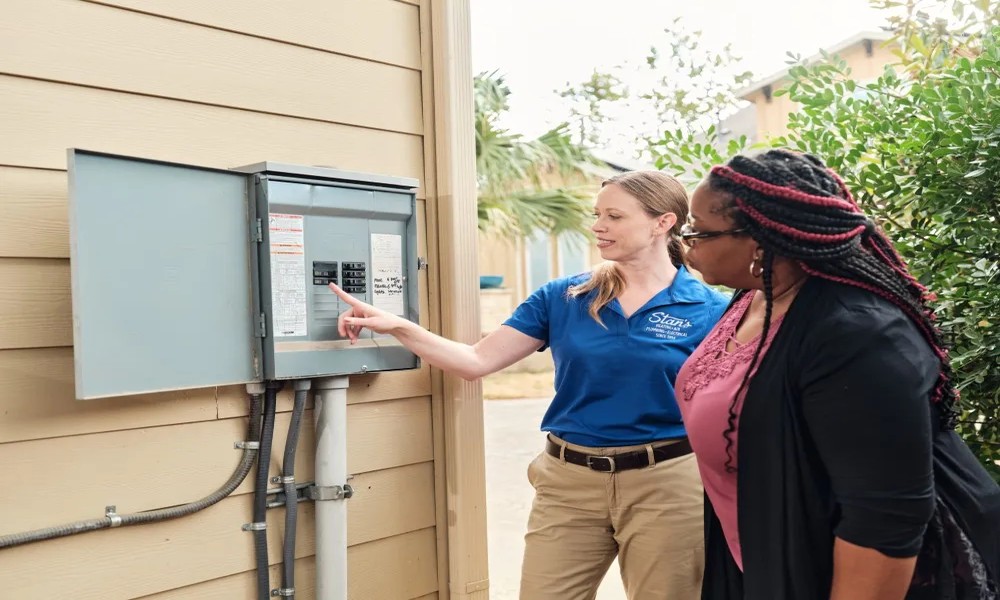
If you own a home in Austin, Texas, there’s a good chance your electrical system is being pushed harder today than it was designed for. Between modern HVAC systems, EV chargers, pool equipment, and smart home upgrades, your panel is no longer just a metal box in the garage-it’s the backbone of your entire home.
That’s why more homeowners are searching for an electrician to upgrade electrical panel systems safely and correctly. But here’s the thing: upgrading your panel isn’t just about replacing something old. It’s about understanding your home’s electrical demand, planning for growth, and making sure everything is code-compliant and future-ready.
Let’s break it all down in a way that actually makes sense.
Why Electrical Panels Matter More Than Ever
Your electrical panel (sometimes called a breaker box) distributes power to every circuit in your home. When it was installed-maybe 10, 20, or even 40 years ago-it was sized for a very different lifestyle.
Back then, homes didn’t have:
- Multiple large-screen TVs
- EV chargers
- Tankless water heaters
- High-efficiency HVAC systems
- Home offices with significant equipment loads
Today, all of those things add up fast.
An undersized or outdated panel doesn’t just inconvenience you-it can:
- Trip breakers constantly
- Limit your ability to add new appliances
- Create overheating risks
- Fail to meet current electrical code requirements
This is where hiring an experienced electrician to upgrade electrical panel systems becomes critical.
When Should You Upgrade Your Electrical Panel?
It’s not always obvious when an upgrade is necessary. Here are some real-world scenarios where Austin homeowners typically need one:
1. You Still Have a 100-Amp Panel
Many older homes in Austin, Texas were built with 100-amp service. That might have worked decades ago, but it’s often not enough today.
You should strongly consider upgrading if you:
- Are adding new appliances
- Plan to install an EV charger
- Have a pool or hot tub
- Are remodeling or expanding your home
A jump from 100A to 200A is one of the most common upgrades.
2. You’re Installing High-Demand Equipment
Some upgrades instantly push your electrical system to its limits:
- Level 2 EV chargers
- Electric furnaces or heat pumps
- Pool pumps and heaters
- Induction cooktops
- Tankless electric water heaters
These aren’t small loads-they require dedicated circuits and significant capacity.
3. Breakers Trip Frequently
If your breakers are constantly tripping, your panel may be overloaded-or worse, deteriorating.
This isn’t something to ignore. It’s your system telling you it’s struggling.
4. You’re Planning a Home Addition
Adding square footage means adding circuits, outlets, lighting, and often HVAC capacity.
If your panel doesn’t have the space or amperage, you’ll need an upgrade before construction even begins.
Understanding Load Calculations (The Right Way)
Here’s where things get more technical-but this is also where smart planning happens.
A professional electrician to upgrade electrical panel setups will perform a load calculation to determine how much power your home actually needs.
This isn’t guesswork. It’s based on the National Electrical Code (NEC) and includes:
1. General Lighting Load
Calculated based on square footage:
- Typically 3 watts per square foot
2. Small Appliance Circuits
Kitchens and dining areas require dedicated circuits for:
- Refrigerators
- Microwaves
- Countertop appliances
3. Major Appliances
Each of these gets factored in:
- Oven/range
- Dryer
- Dishwasher
- Water heater
4. HVAC Systems
Your heating and cooling system is often the largest load in the house.
In Austin’s climate, this matters a lot. Long summers mean heavy AC usage.
5. Specialized Equipment
This is where modern homes really stack up:
- EV chargers (often 40-60 amps alone)
- Pool equipment
- Workshop tools
- Backup generators
Real-World Example
Let’s say you have:
- 2,500 sq ft home
- Central AC system
- Electric water heater
- EV charger
- Pool pump
You’re very likely pushing well beyond what a 100A panel can safely handle.
A 200A panel-or even higher in some cases-is the smarter long-term solution.
Is a 100A → 200A Upgrade Worth It?
Short answer: In most cases, yes.
Upgrading to 200 amps gives you:
- More circuit space
- Better load distribution
- Capacity for future upgrades
- Increased home value
It also reduces strain on your system, which improves safety and reliability.
Many homeowners in Austin, Texas who search for an electrician to upgrade electrical panel services are doing this exact upgrade-and for good reason.
Planning for the Future (Not Just Today)
One of the biggest mistakes homeowners make is upgrading only for their current needs.
Instead, think 5-10 years ahead.
Ask yourself:
- Will I buy an electric vehicle?
- Am I adding a pool or hot tub?
- Will I convert appliances to electric?
- Am I planning a home office or rental unit?
A good electrician doesn’t just upgrade your panel-they help you future-proof your home.
That might include:
- Installing a larger panel than currently needed
- Adding conduit for future circuits
- Planning for solar integration
- Preparing for battery backup systems
Can You Upgrade an Electrical Panel Yourself?
This is where honesty matters.
Technically? A very experienced and knowledgeable person might understand the basics.
Realistically? This is not a DIY-friendly project.
Here’s why:
1. It’s Extremely Dangerous
You’re working with live service lines that can:
- Cause severe injury
- Lead to electrocution
- Create fire hazards
Even turning off the main breaker doesn’t de-energize everything.
2. It Requires Permits and Inspections
In Austin, Texas, panel upgrades must comply with local codes and pass inspections.
Skipping this step can:
- Void insurance coverage
- Create problems during home sales
- Lead to fines or required rework
3. Utility Coordination Is Required
Your power company may need to:
- Disconnect service
- Upgrade service lines
- Approve the new panel
This isn’t something homeowners can typically coordinate alone.
4. Code Compliance Is Complex
Modern panels must meet strict requirements, including:
- Grounding and bonding
- Proper breaker sizing
- Arc-fault and GFCI protection
- Labeling and load balancing
A mistake here isn’t just technical-it’s a safety issue.
Bottom Line
This is one project that should absolutely be left to a licensed professional. Hiring a qualified electrician to upgrade electrical panel systems ensures the work is done safely, legally, and correctly the first time.
What to Expect During a Panel Upgrade
If you’ve never gone through this process, here’s a simplified overview:
- Assessment & Load Calculation
The electrician evaluates your current system and future needs - Permits Pulled
Required by local authorities - Utility Coordination
Power may be temporarily shut off - Panel Replacement
Old panel removed, new one installed - Inspection & Approval
Work is verified to meet code
Most upgrades can be completed in a day, though planning and permitting take longer.
Choosing the Right Electrician in Austin, Texas
Not all electricians are equal-especially when it comes to panel upgrades.
Look for:
- Texas state licensing
- Strong local reviews
- Experience with service upgrades
- Clear, upfront pricing
- Willingness to explain load calculations
A trusted local expert will walk you through the process without cutting corners.
Final Thoughts
Electrical panel upgrades aren’t just about fixing problems-they’re about unlocking your home’s full potential.
Whether you’re installing new technology, expanding your home, or simply want peace of mind, working with the right electrician to upgrade electrical panel systems is one of the smartest investments you can make.
In a fast-growing city like Austin, Texas, where homes are evolving quickly, your electrical system should evolve with them.
If you’re unsure whether your panel is ready for what’s next, it’s worth having a professional take a look. It could save you from bigger issues-and bigger expenses-down the road.