
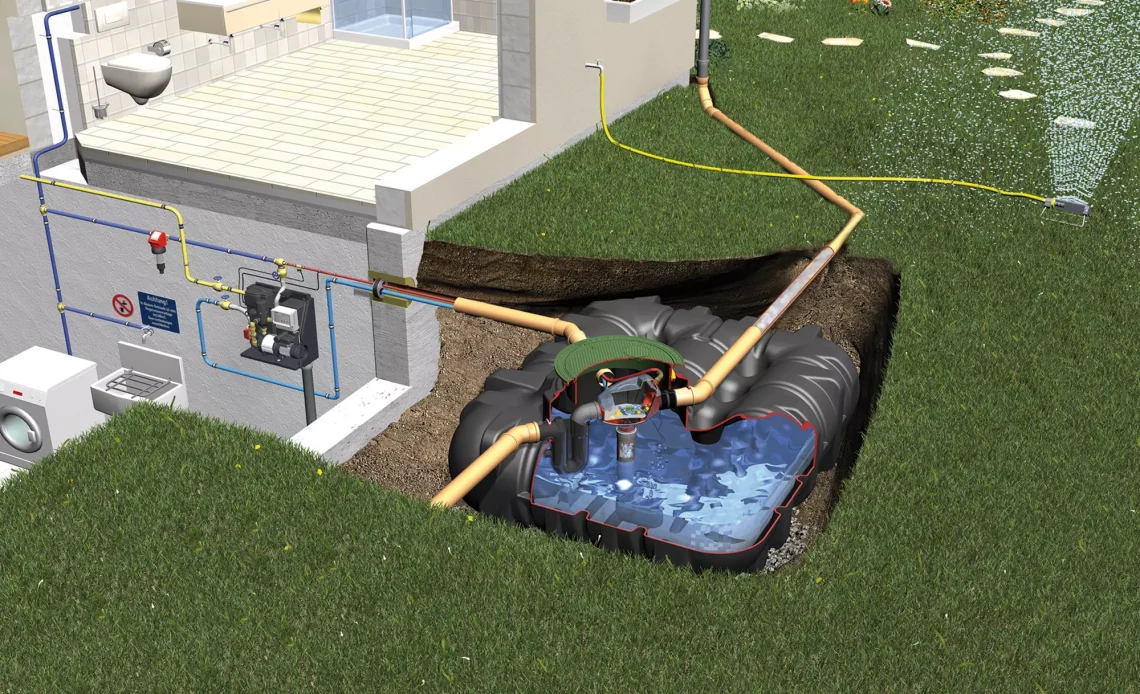
A well-functioning water system is something most homeowners rarely think about—until something goes wrong. From inconsistent pressure to rising energy costs, small inefficiencies in your home’s water setup can quickly turn into costly problems. Understanding how your system operates is the first step towards improving performance, reducing waste, and ensuring a reliable supply for everyday use.
For properties that rely on private water sources, the role of residential well pumps becomes especially important. These systems are responsible for drawing water from underground sources and delivering it efficiently throughout the home. When properly maintained, they can significantly enhance both comfort and energy efficiency.
What Is a Residential Water System?
A residential water system is the infrastructure that delivers clean water to your home and distributes it where needed. Depending on your location, this system may rely on a municipal supply or a private well.
Homes connected to public water systems typically receive water through a centralised network. In contrast, homes with private wells depend on pumps and pressure systems to extract and circulate water independently. While both setups serve the same purpose, well-based systems require more active management to maintain efficiency.
Key Components of a Water System
Every residential water system includes several essential parts:
● Water source: Either a municipal supply or a private well
● Pump system: Moves water from the source into the home
● Pressure tank: Maintains consistent water pressure
● Distribution pipes: Deliver water to taps, appliances, and fixtures
Understanding how these components work together helps homeowners identify inefficiencies early.
How Well-Based Water Systems Operate
In a private well system, water is drawn from underground through a pump and delivered into a pressure tank. The tank stores water under pressure, ensuring a steady flow when taps are opened.
When water pressure drops below a certain level, the pump activates automatically to replenish the supply. This cycle repeats throughout the day, depending on usage.
Types of Well Pumps
There are several types of pumps used in residential systems:
● Submersible pumps: Installed deep inside the well and highly efficient for deeper water sources
● Jet pumps: Located above ground and suitable for shallow wells
● Convertible systems: Adaptable for varying well depths
Choosing the right pump type plays a crucial role in maintaining system efficiency and reliability.
Common Issues That Reduce Water System Efficiency
Even well-designed systems can lose efficiency over time. Identifying and addressing issues early can prevent costly repairs and unnecessary energy use.
Some of the most common problems include:
● Low water pressure: Often caused by leaks, clogged pipes, or pump wear
● Frequent cycling: Pumps turning on and off too often, leading to energy waste
● Air in pipes: Results in sputtering taps and inconsistent flow
● Ageing equipment: Older components may consume more energy and perform poorly
Signs Your System Needs Attention
Homeowners should watch for warning signs such as unusual noises, fluctuating pressure, or higher electricity bills. These indicators often point to underlying inefficiencies that require prompt attention.
Benefits of an Efficient Water System
An efficient water system does more than just deliver water—it improves the overall performance of your home.
Key benefits include:
● Consistent water pressure: Ensures smooth operation of showers, taps, and appliances
● Lower energy consumption: Efficient pumps use less electricity
● Reduced maintenance costs: Fewer breakdowns and repairs
● Extended system lifespan: Proper care helps components last longer
By optimising your system, you not only enhance comfort but also reduce long-term expenses.
Practical Ways to Improve System Efficiency
Improving your residential water system does not always require major upgrades. Small, proactive steps can make a noticeable difference.
Regular maintenance is essential. Scheduling periodic inspections allows you to detect wear and tear before it becomes a serious issue. Cleaning filters, checking pressure levels, and inspecting pipes can all help maintain optimal performance.
Upgrading outdated equipment is another effective strategy. Modern pumps are designed to operate more efficiently, consuming less energy while delivering better performance. If your system is several years old, an upgrade may be worth considering.
Proper installation and configuration also play a vital role. Incorrectly sized pressure tanks or poorly installed pumps can lead to inefficiencies that affect the entire system.
Quick Efficiency Tips
● Inspect your pump and system annually
● Fix leaks promptly to avoid pressure loss
● Monitor water usage to detect unusual patterns
● Replace worn-out components before they fail
These simple actions can significantly improve system performance and reduce unnecessary costs.
When to Repair or Replace Your Well Pump
Well pumps are built to last, but they do not last forever. On average, a pump may function effectively for 8 to 15 years, depending on usage and maintenance.
Knowing when to repair or replace your pump is essential. Minor issues, such as worn seals or pressure switch faults, can often be repaired quickly. However, if your pump frequently breaks down or struggles to maintain pressure, replacement may be the more cost-effective option.
Professional assessment is highly recommended in these situations. A qualified technician can evaluate your system, identify inefficiencies, and recommend the best course of action.
Conclusion
Understanding how your residential water system works is key to maintaining efficiency, reliability, and long-term performance. Whether your home relies on a municipal supply or a private well, every component plays a role in delivering consistent water flow.
By focusing on regular maintenance, addressing issues early, and upgrading equipment when necessary, homeowners can significantly improve system efficiency. A well-maintained water system not only enhances daily comfort but also helps reduce energy costs and prevent unexpected disruptions.