
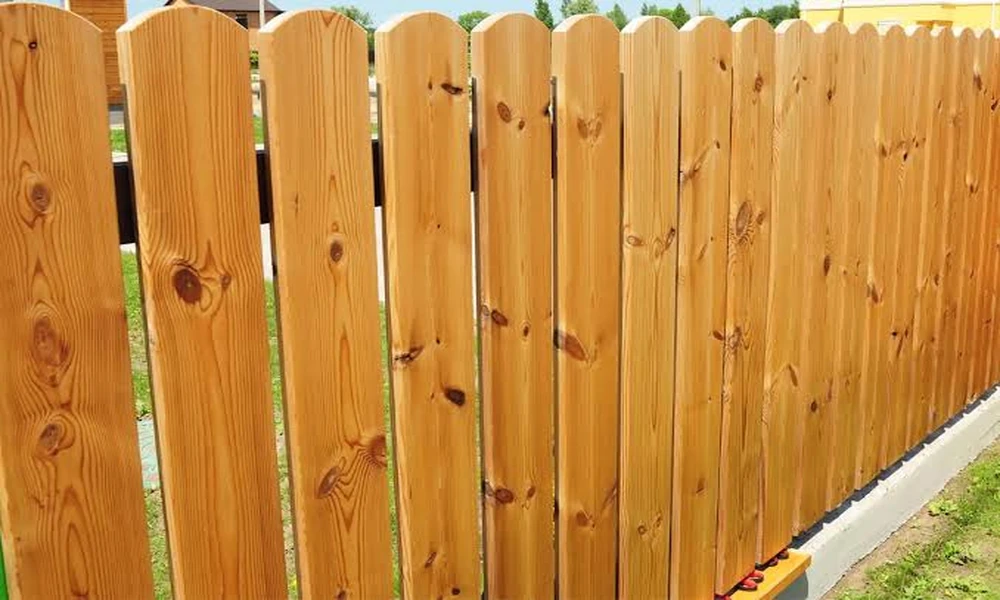
Walk down almost any residential street and you’ll see two kinds of wood fences. Some lean, gray and patched, even though they went up less than a decade ago. Others still stand straight with tight joints after twenty years or more. Usually the difference has little to do with luck. A handful of choices made before and during installation decide which way it goes.
Wood is still one of the most popular fencing materials for good reasons. It looks warm and natural, it suits almost any architectural style, and a damaged board can be swapped out in an afternoon. It is also a material that responds directly to how it is treated. Give it the right species, the right footing and a sensible finishing schedule, and it rewards you for decades.
Anyone pricing out wood fences in San Diego quickly learns that the region asks a lot of lumber. Near the beaches, the marine layer keeps wood damp on many mornings. Just a few miles inland, the same boards bake in dry heat and low humidity. A fence that does well in one microclimate can struggle in the other, so understanding what drives wood failure is the best way to get real value from the investment.
Choosing the Species Comes First
The type of wood sets the ceiling on how long a fence can last. Finishing and maintenance can only help it get close to that ceiling.
Redwood has long been the premium choice on the West Coast. Its heartwood contains natural compounds that resist decay and insects, and it shrinks and swells less than many softwoods, so boards stay flatter. The catch is grade. Heartwood grades carry the protective properties, while sapwood grades, which are cream colored and often cheaper, offer far less resistance.
Western red cedar behaves similarly. It is light, stable and naturally resistant, with a straight grain that takes stain well. It is softer than redwood, so pickets dent more easily, but it is a strong choice for privacy panels and horizontal slat designs.
Pressure-treated pine or fir depends on chemical protection instead of natural oils. It is the most affordable structural option and is often used for posts even when the visible boards are redwood or cedar. Lumber sold for ground contact is treated more heavily than lumber rated for above-ground use, and that label matters more than anything else on the tag.
Where Wood Fences Actually Fail
Fences rarely fail all at once. They wear out at specific weak points, and most of those points are at or below ground level.
The Posts
Posts carry everything, and they sit in the worst conditions: wet soil, little airflow and constant contact with insects. Modern residential treated lumber no longer uses the arsenic-based preservative that was common for decades. The EPA’s overview of wood preservatives explains that manufacturers ended nearly all residential use of CCA at the end of 2003. Water-based copper treatments such as ACQ and copper azole are now standard for fence posts. That shift makes treated posts a reasonable choice for homes with kids and pets. The fasteners just need to match, because copper-heavy treatments corrode ordinary steel. Hot-dipped galvanized or stainless hardware avoids that problem.
How the post meets the ground is as important as what it is made of. Concrete should be crowned slightly above grade so water runs away from the wood instead of pooling against it. Some builders now set wood fences on galvanized steel posts and keep the wood entirely above ground, which removes the most common failure point.
The Rails and Pickets
Rails sag when they span too far or when water sits on their top edge. Spacing posts at no more than eight feet and beveling or capping the top of each rail helps water run off. Pickets last longer when they stop an inch or two above the soil. Wood that touches dirt wicks up moisture and gives insects an easy way in.
That second point ties directly to termites. The University of California’s pest note on subterranean termites says these insects nest in soil and need a moisture connection to reach wood. It advises using concrete footers or treated or naturally resistant wood wherever a fence has to touch the ground.
The Top Cap
A cap board or trim along the top looks decorative, but it also shields the end grain of every picket from rain and morning dew. End grain soaks up water much faster than face grain, so a fence with a cap usually ages more evenly.
Early Signs a Fence Is in Trouble
Small problems show up long before a fence falls over. Check yours once or twice a year for these:
- Posts that move when you push them firmly at shoulder height
- Soft or crumbly wood within a few inches of the soil
- Mud tubes running up a post or along a bottom board
- Rust streaks or popped nail heads on pickets
- Gates that drag or no longer latch without lifting
Catching these early often means replacing one post or a few boards instead of an entire run.
Coast and Canyon Need Different Care
Climate changes how a wood fence should be finished. In damp coastal neighborhoods, the main enemies are mildew and slow rot, so finishes with mildewcides and good airflow along the fence line pay off. Trimming back shrubs and vines lets boards dry between foggy mornings.
Inland, the bigger issue is sun. UV exposure breaks down the wood’s surface fibers, which leads to graying, small cracks and cupping. A penetrating, semi-transparent stain with UV blockers protects the wood without forming a film that peels. In strong sun, expect to recoat every two to three years. Solid paint looks crisp at first, but once it cracks it traps moisture underneath, so it needs more frequent attention than stain.
Timing matters too. New pressure-treated lumber is often wet when installed and usually needs several weeks to dry before it will take stain evenly. Cedar and redwood can be finished sooner, but a dry stretch of weather always produces better results.
Deciding When to Repair and When to Rebuild
A fence with solid posts and a few weathered boards is almost always worth repairing. Swapping boards, resetting a gate and adding a fresh coat of stain can add years at a modest cost. Once several posts are rotting at the ground line, the picture changes. Replacing posts one at a time on an aging fence often costs nearly as much as starting over, and the new posts end up holding old rails that are close to the end of their lives anyway.
A twenty-year wood fence is realistic, but you have to plan for it. It comes from choosing heartwood or ground-contact lumber, keeping wood out of the dirt, shedding water at every joint and refreshing the finish on a schedule that suits your local climate. Each of those steps is small, and together they decide how long the fence lasts.