
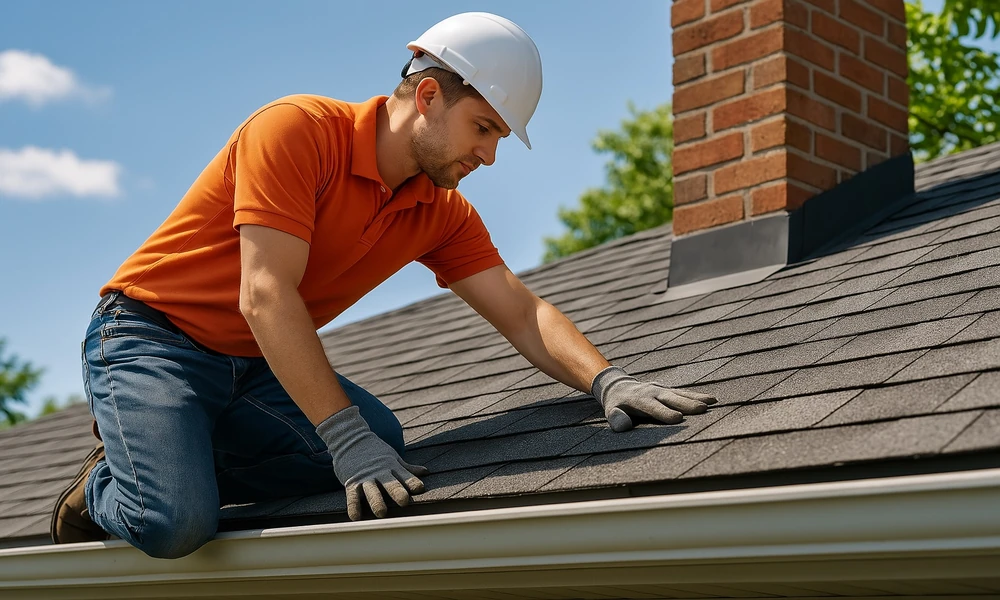
Roofs rarely get attention until something goes wrong, and in Central Florida that usually means a storm, a stain or a surprise bill. A simple seasonal routine changes that. It takes a few minutes each quarter, costs almost nothing, and catches small problems while they are still cheap to fix. Whether you work with a local contractor such as Mission Ready Roofing and Construction or simply keep an eye on things yourself, this calendar shows what to check and when.
Winter: The Quiet Season for Planning
December through February is the calmest stretch for roofs in Florida, which makes it the best time to think ahead.
Walk the property after cold fronts
Strong fronts bring gusty winds that can lift tired shingles. After one passes, look at the yard and driveway for fallen granules, small shingle pieces or loose debris. Use binoculars from the ground rather than climbing up.
Schedule inspections and estimates now
Contractors tend to be less rushed in winter, so you get more time for questions and more room on the calendar. If your roof is near the end of its life, collect written estimates now rather than during the scramble of storm season.
Spring: Clean and Repair
March through May is when the roof gets ready for the heavy months ahead.
Clear the debris
Oak leaves, pine needles and seed pods collect in valleys and gutters. Wet debris holds moisture against the roof and can clog drainage. Gentle clearing with a soft brush or leaf blower is enough. Avoid pressure washing, which can strip protective granules from shingles.
Trim the trees
Overhanging branches scrape the surface in wind and drop debris constantly. The National Weather Service lists tree trimming among the steps to take before hurricane season, and it is one of the cheapest ways to protect your roof. Aim to keep limbs well clear of the roof surface.
Fix the small stuff
Spring is the time to reseal exposed nails, replace cracked pipe boots and repair lifted shingle edges. These are inexpensive repairs, and the summer rains will find any gap you leave behind.
Summer: Watch the Weather
June through August brings daily storms and the start of hurricane season. The goal now is observation and readiness rather than major work.
Check the attic after heavy rain
A quick look with a flashlight can reveal damp insulation, dark stains or a musty smell. Attic problems tend to show up before ceiling stains do.
Keep an eye on ventilation
Attic heat in a Florida summer is brutal. Make sure soffit vents are not blocked by insulation and that ridge or roof vents are intact. Poor ventilation raises cooling costs and can shorten shingle life.
Prepare your documents
Take dated photos of your roof from several angles, and keep your insurance policy, permit records and warranty paperwork in one folder. If damage occurs, these records make the claims process far easier.
Fall: The Peak and the Cleanup
September through November includes the heart of hurricane season, with the Atlantic season officially ending on November 30.
Before a storm threatens
The National Weather Service advises homeowners to make sure the home is in good repair and meets local hurricane building code specifications, and notes that many retrofits are less costly and time consuming than people expect. You can read their guidance on strengthening your home for hurricane season. Do not wait for a named storm to start this list, because supplies and contractors disappear quickly once a warning is issued.
After a storm passes
Inspect from the ground first. Look for missing shingles, bent flashing, damaged gutters and debris on the roof. Check the attic and ceilings for new moisture. If you spot damage, photograph everything before moving anything, and call for a professional inspection rather than climbing up yourself. Wet roofs are slippery, and weakened sections can fail underfoot.
A Simple Checklist to Keep
- Once a quarter, walk the property and look over the roof from the ground
- After every major storm, check the yard, gutters and attic
- Once a year, have a licensed professional inspect the roof
- Keep photos, permits, warranties and receipts together in one place
An Honest Caveat
A calendar cannot tell you how much life your particular roof has left. Age, materials, installation quality and past storm exposure all matter, and some problems only show up once someone is on the surface. Treat this routine as a way to notice trouble early and ask better questions, not as a replacement for a professional inspection. If you plan a replacement, get more than one written estimate and verify each contractor’s Florida license and insurance before you sign.