
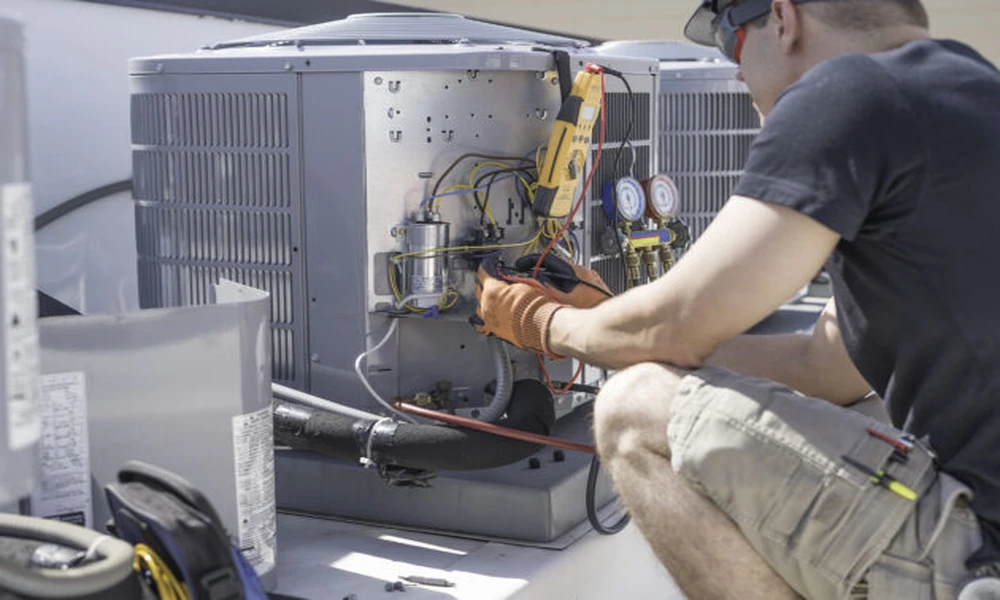
A variable-speed heat pump adjusts its operating speed to match your home’s heating and cooling needs. This helps maintain steady indoor temperatures while using energy more efficiently.
But what happens when the system suddenly loses this ability? You may notice uneven temperatures, unusual noises, or higher energy bills. Several issues can affect variable-speed control, and understanding them can help you address the problem before it gets worse.
1. Faulty Thermostat Communication
Your thermostat communicates with the heat pump to determine how much heating or cooling your home needs. If the thermostat has faulty wiring, incorrect settings, or communication problems, the system may struggle to adjust its speed.
Sometimes, the thermostat itself may be incompatible with the heat pump’s variable-speed features. A professional technician can inspect the connections and check whether the thermostat is sending the correct signals.
2. Damaged Control Board
The control board acts as the brain of your heat pump. It processes information from different components and tells the compressor and blower motor how fast to operate.
If the board develops an electrical fault or suffers damage, it may stop sending the right commands. As a result, your heat pump might run at one speed instead of adjusting to changing comfort needs. Professional testing can help identify whether the board needs repair or replacement.
3. Blower Motor Problems
A variable-speed blower motor adjusts airflow based on your home’s requirements. However, worn motor components, damaged wiring, or a failing electronic motor module can prevent these adjustments.
You might notice weak airflow, inconsistent temperatures, or longer operating cycles. Replacing a damaged component can help restore proper airflow and system performance.
4. Faulty Sensors or Electrical Connections
Heat pumps rely on sensors to monitor temperature and operating conditions. If a sensor sends incorrect readings, the control system may receive confusing information and struggle to adjust its speed.
Loose wires, damaged connections, and power fluctuations can also interrupt communication between components.
How Can You Prevent Variable-Speed Problems?
Regular heat pump maintenance can help catch small problems before they affect system performance. Replace dirty air filters, keep the outdoor unit clear of leaves and debris, and schedule professional inspections.
In Southern California, changing temperatures between coastal communities and inland areas can put different demands on heating and cooling systems throughout the year. Keeping your equipment properly maintained helps it respond to those changing conditions.
Get Your Heat Pump Back on Track
Does your heat pump seem stuck at one speed or struggle to maintain comfortable temperatures? Service Champions offers professional heat pump repair and maintenance throughout Southern California. Schedule an inspection today and let our HVAC experts help restore your home’s comfort and efficiency.