
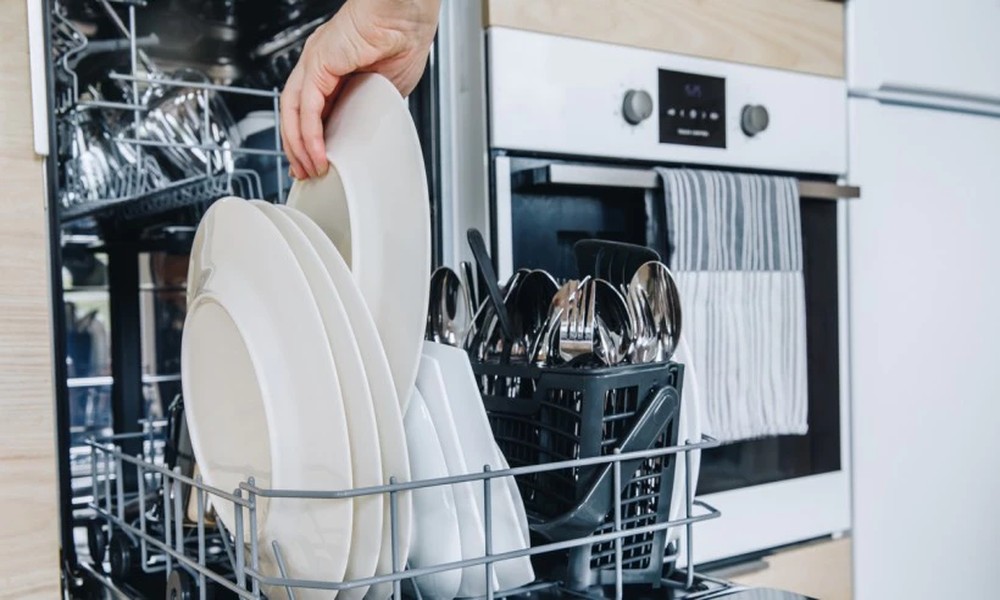
Keeping your utensils clean is essential to a healthy, well-maintained kitchen. The way you wash your dishes can impact not just hygiene but also how much water and energy you use, as well as the overall effort involved in daily chores.
A modern dishwasher offers the convenience of automatically cleaning dishes, saving time and reducing manual effort. However, many people still prefer washing dishes by hand as part of their routine.
While both methods serve the same purpose, they differ in how they use water, energy, and time. With advancements in kitchen appliances, dishwashers have become more reliable and efficient than ever. In this article, we’ll compare the two methods across key factors to help you decide which works best for your kitchen.
Comparing Efficiency Between Dishwashers and Hand Washing
| Factor | Dishwasher | Hand Washing |
|---|---|---|
| Water Usage | Uses less water per full cycle | Often uses more running water |
| Energy Consumption | Optimised heating and eco modes | Depends on manual hot water use |
| Hygiene | High-temperature cleaning | Limited by water temperature |
| Time Required | Minimal manual effort | Time-intensive process |
Water Usage and Conservation BenefitsDishwashers are designed to use a fixed amount of water per cycle, which helps keep usage controlled and efficient. This makes it easier to manage overall consumption, especially when running full loads.In comparison, hand washing often involves running the tap while rinsing, which can quietly increase water usage without you noticing. The amount of water used can vary each time, depending on how long the tap is left on, which may lead to higher usage over time.Energy Efficiency and Power Consumption
Energy use depends on how water is heated and used. Dishwashers provide water heating through efficient systems and eco modes without compromising cleaning effectiveness.
In contrast, hand washing may require heating water separately, which can use more electricity depending on the method. Dishwashers also maintain a consistent water temperature, helping reduce overall power consumption during operation.
Hygiene and Cleaning Performance
The cleaning process needs to be completed at all times. The hot water used by dishwashers reaches a temperature that effectively eliminates all germs. The result yields safer, cleaner dishware.
Hand washing with cooler water and manual scrubbing does not eliminate all germs from surfaces. Further, repeated use of sponges can lead to bacterial growth when they are not cleaned. Automatic dishwashers deliver consistent cleaning results and better maintain hygiene.
Time-Saving and Everyday Convenience
Using a dishwasher saves time because you only need to load and unload it, leaving more time for other tasks. In comparison, hand washing takes more effort and time, especially with larger loads, and drying dishes separately adds to the overall process. Dishwashers with drying features make the entire cleaning routine more convenient.
When Hand Washing May Still Be Useful
Even with all these benefits, hand washing can still be useful at times. Small loads or quick cleaning of just a few dishes can be faster without turning on the machine. Delicate items, such as fine glassware, require gentle handling. You can clean lightly used utensils more quickly when you use your hands rather than the cleaning tools. The combination of both methods enables you to maintain your daily schedule while meeting your requirements.
Conclusion
How well you clean your dishes depends on water use, energy, hygiene, and how easy it is to do so. Dishwashers are excellent for regular, everyday cleaning and are reliable. They save effort and give steady results.
Using smart cleaning methods can help your kitchen be more eco-friendly and easier to manage. Häfele makes dishwashing tools that are easy to use and work well, making your kitchen chores simpler and more efficient.